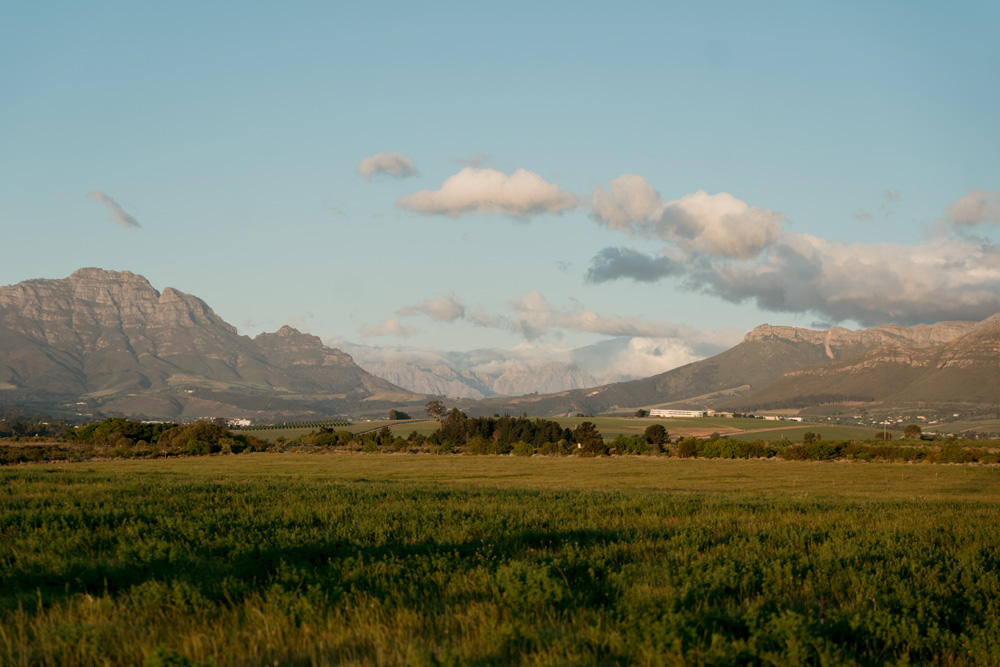
By any measure, three centuries is a long time.
Long enough for generations to come and go, and plenty of time in which to learn. As one of South Africa’s oldest continuously operating wine farms, Spier sits on land that has been shaped by 334 years of growing, harvesting and skilled hands. With more than 80,000 vines growing across the farm, this is our story of good people making good wine grown in good soil.
A Historic Wine Farm in Stellenbosch Since 1692
In 1692, Governor Simon van der Stel signed the first title deed and granted the land to Arnoud Jansz, a German soldier in the service of the Dutch East India Company. By 1754, more than 30,000 vines flourished here, marking Spier as one of the region’s most significant wine producers.
But the land had a life long before any of this. The San people moved through it as hunter-gatherers. The Cochoqua, of the pastoral Khoikhoi nations, grazed their cattle along these rivers and built their kraals on the banks where our vineyards now run.
Over the centuries, Spier passed through many hands across the eighteenth, nineteenth and twentieth centuries, until it found its home with the current custodians in the Enthoven family.
Same Farm, New Questions
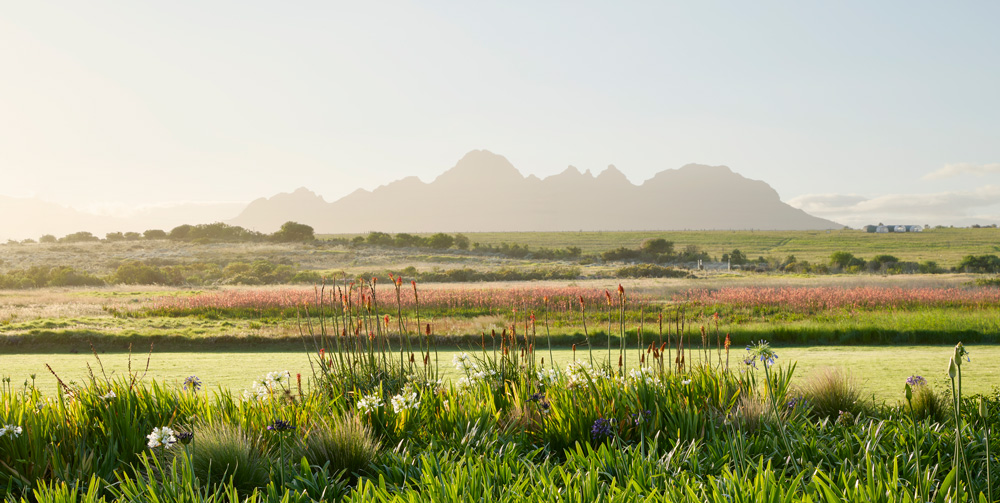
When the Enthoven family acquired Spier in 1993, the obvious questions included which vines to plant and which markets to reach. But the family asked a different question too, and it is the axis the whole farm now turns on: what would it take to leave this land better than we found it?
The answers lay in action – a lot of it. It meant pulling out alien vegetation and putting back more than a million indigenous bulbs. It meant rehabilitating the Renosterveld, recycling all of the farm’s black and grey water, and sending almost nothing to landfill. It meant beginning a three-year organic conversion in 2011.
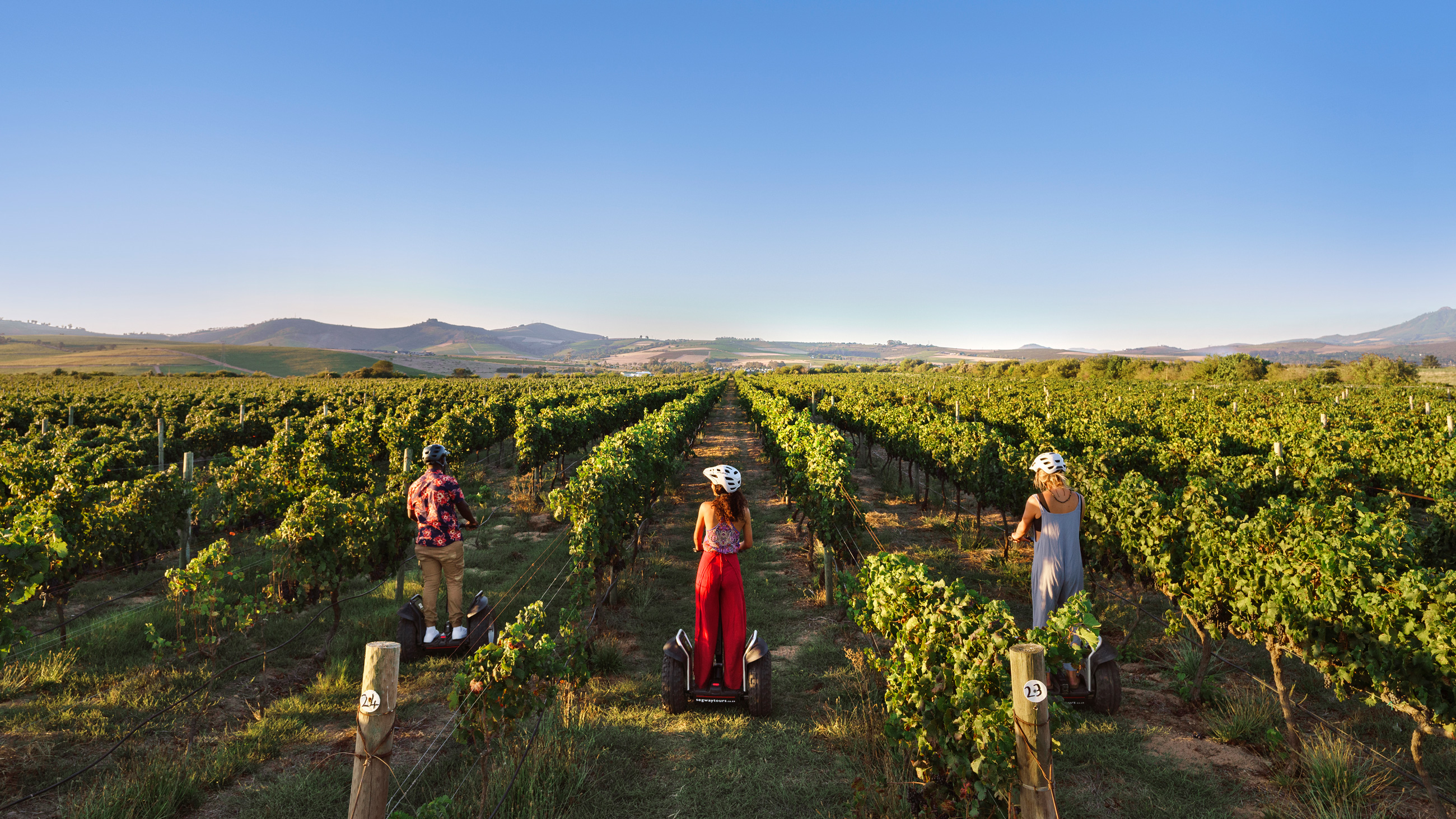
Today, a large portion of our farm is cultivated organically, without synthetic pesticides or artificial fertilisers. Our grapes are hand-picked and fermented using a combination of natural and cultured yeasts in our organically certified cellar. Regenerative farming also means thinking about who tends the land and how they are treated. Through our Growing for Good initiatives, we work with farming communities in ways we hope ripple outward long beyond a single harvest. After all, you plant an oak knowing you will not sit under it.
The People Behind Spier’s Wines
Our heritage is not just in the buildings.
Managing Director, Frans Smit, ran the cellar for 27 years and shaped what a Spier wine tastes like before handing over to Johan Jordaan, our current Cellar Master. Johan was named Chenin Blanc Master by the Master Winemaker 100 awards in both 2025 and 2026. It should come as little surprise, then, that Chenin is Spier’s champion grape, and Johan treats each vintage as an individual rather than a formula to repeat: picking in several passes, building texture slowly, trusting time to settle the wine into freshness and depth. He works hand in glove with the farming team, mindful that good soil leads to good wine.
That belief in the soil resonates with Angus McIntosh, known simply as Farmer Angus, who read his way into regenerative agriculture and now lives and breathes it. His cattle are moved twice a day to build carbon in the soil. His hens sleep in mobile coops and are, we would argue, the happiest chickens you are yet to meet this side of the equator.
The result is a working farm that is alive with diverse, bustling life, producing award-winning wine that drinkers and critics love alike.
Chenin Blanc, Old Vines and Signature Tastes
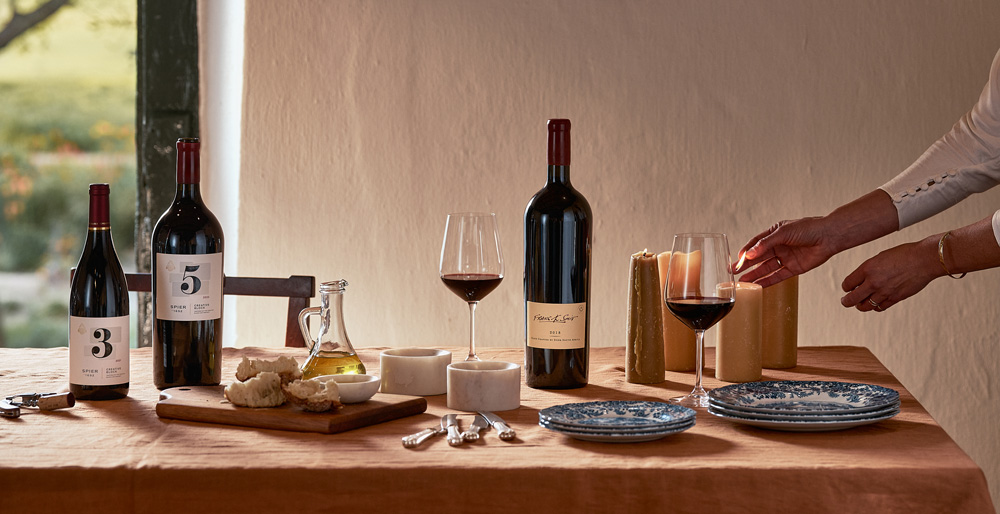
The Frans K. Smit range is named for the Cellar Master who gave decades to this farm. These are our most carefully considered wines – complex Bordeaux-inspired blends and rare special releases.
Then there is 21 Gables, named for the 21 Cape Dutch gables that crown our historic farm buildings, the most of any wine farm in the country. The wines draw on old vines and coastal influence to make single varietals built to age.
Creative Block, our most awarded range, is not to be sniffed at – but should definitely be sniffed and savoured. It takes its name from the Spier Arts Trust project that invites artists to work on a small standard canvas block. We have bought more than 17,500 of those blocks over the years, which is part of how Spier came to hold one of the largest contemporary South African art collections in the country.
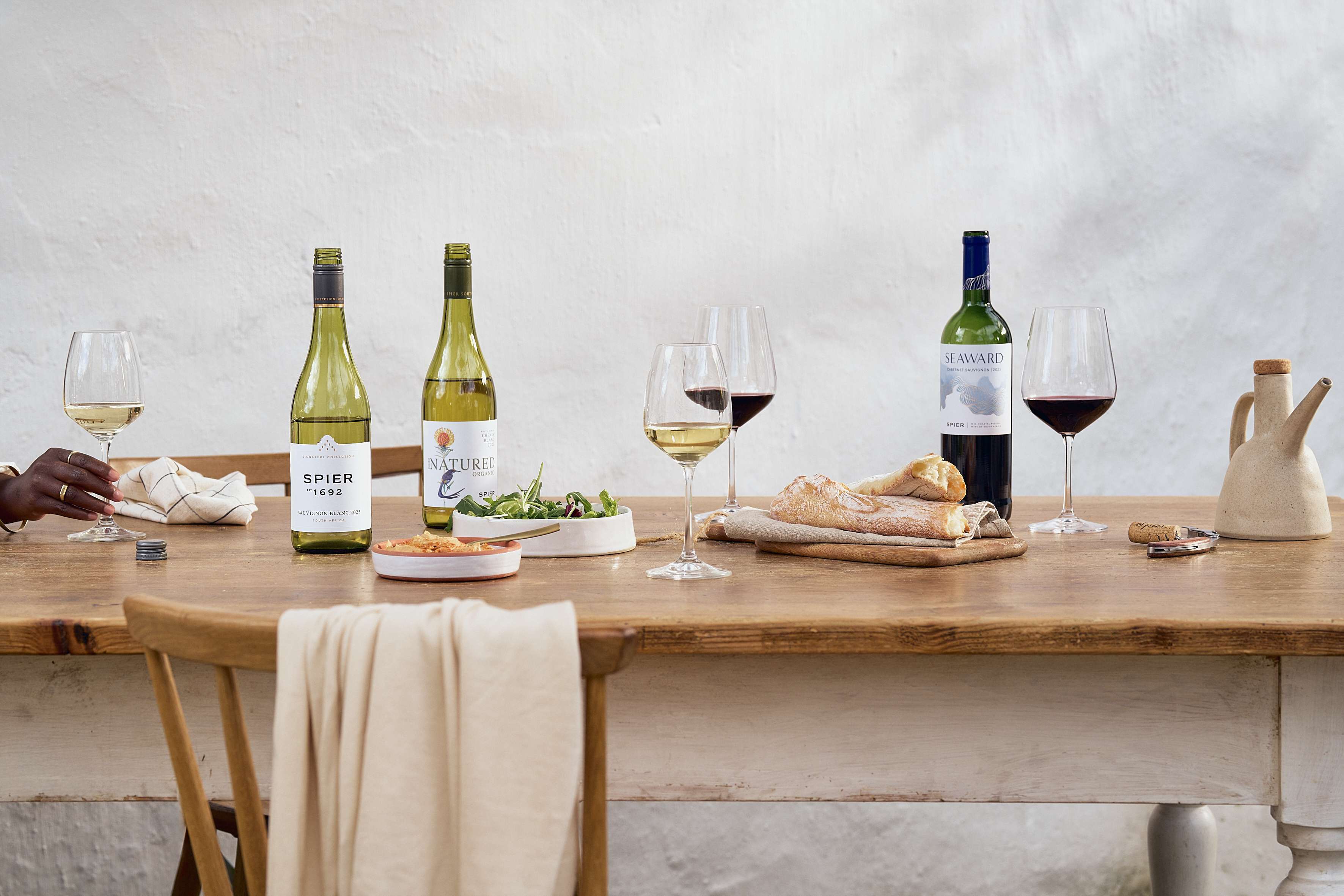
With Seaward, we turned towards the coast. Grapes grown between the Atlantic and False Bay ripen slowly in the cool sea air, producing wines with freshness, balance and a taste that feels unmistakably coastal.
And then there is our Farmer Angus collection, made with the regenerative farming pioneer himself.
Good wine, from good people, made in good soil. It sounds simple. Yet, it is also the hardest thing we know how to do. That’s why, three hundred years in, we’re still learning.
Spier Wine Farm is in Stellenbosch, 30 minutes from Cape Town International Airport. Plan a visit or book a tasting here.